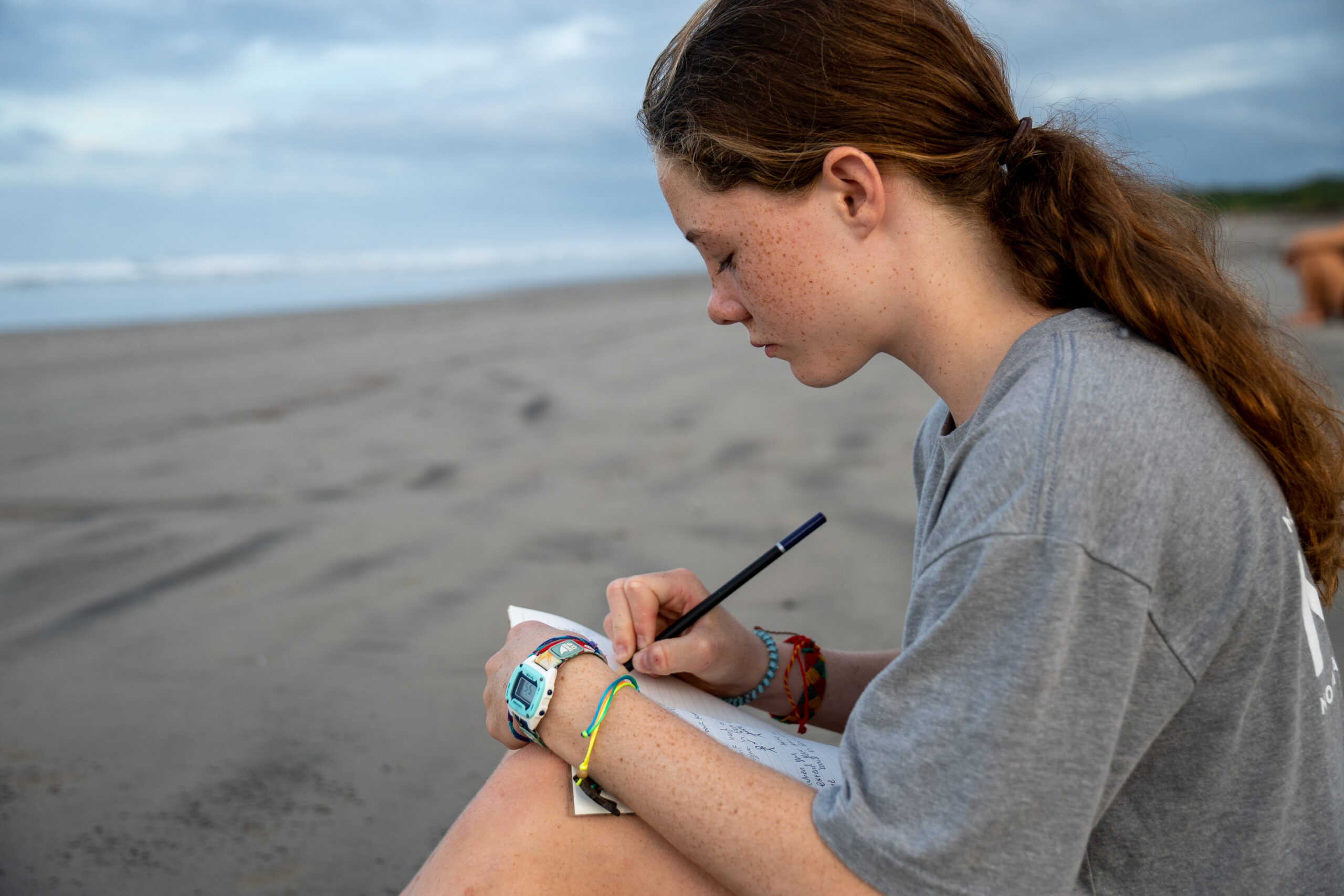
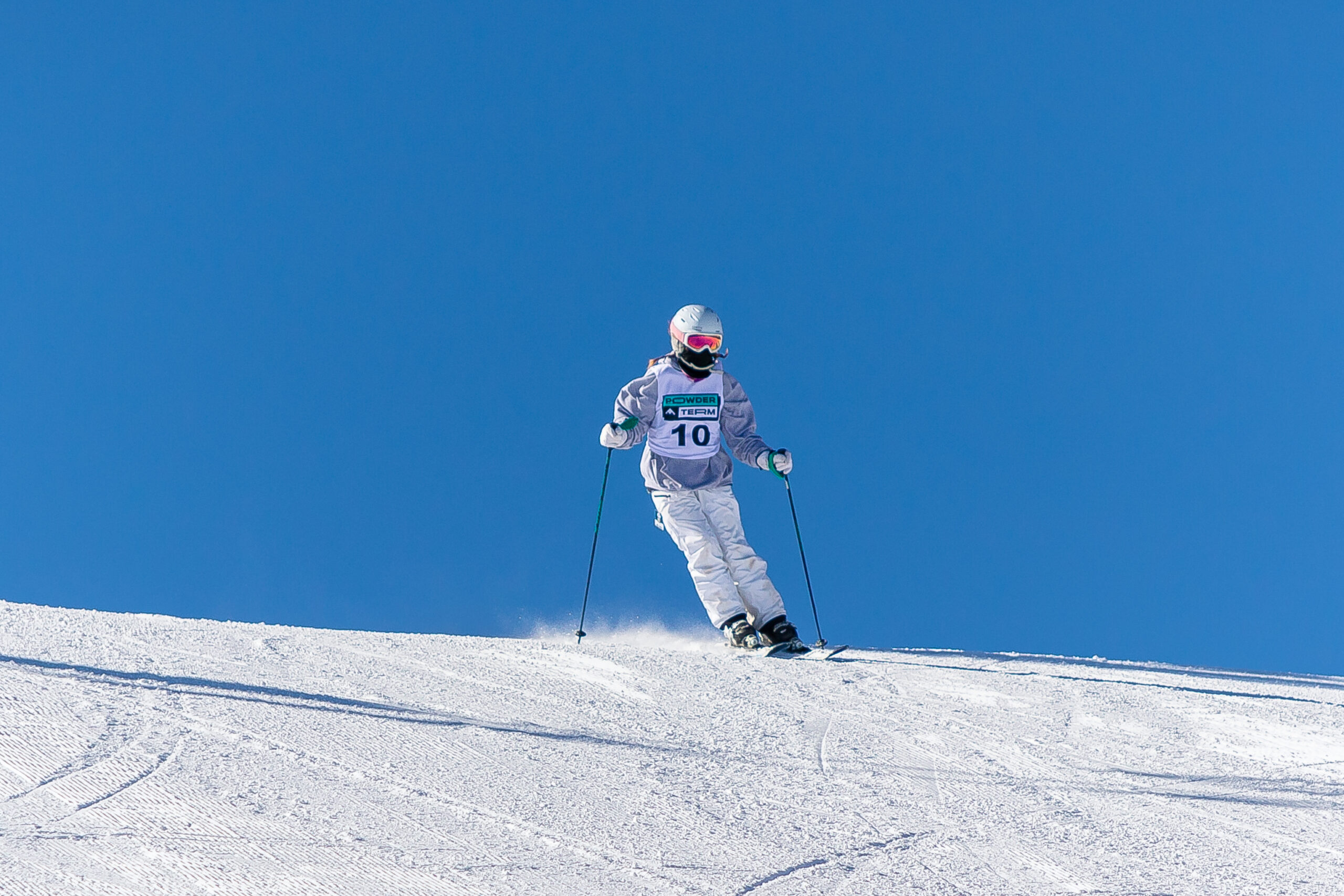
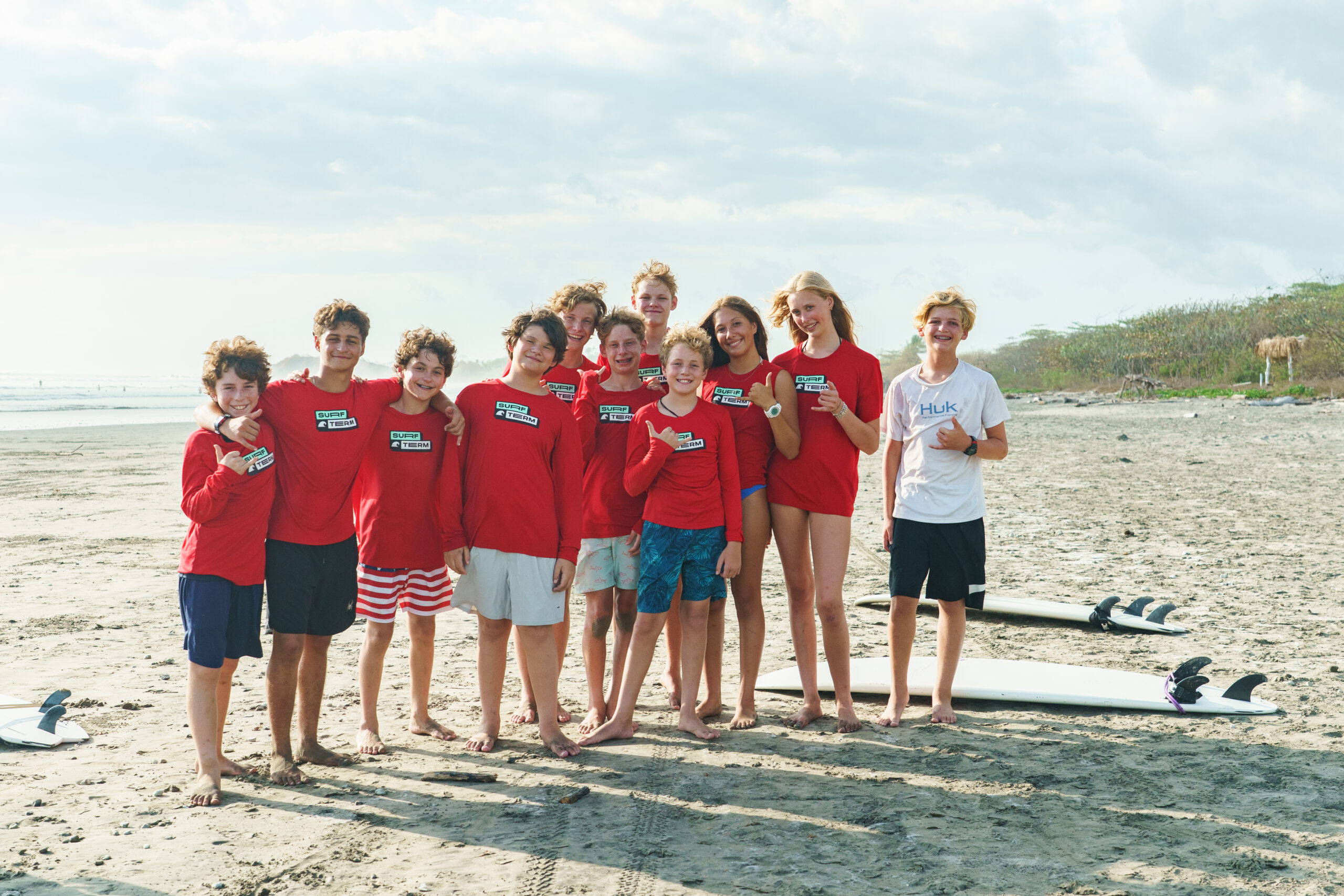
On the first morning of any Discover Term program, it’s quiet. A group of teenagers stand at the edge of something unfamiliar: bare feet in the sand, skis resting against their shoulders, bike helmets tucked under their arms. Some are nervously cracking jokes. Some are silent. Some are already wondering if they belong here at all. By the end of the term, the energy has shifted. There is a newfound confidence and noticeable intentionality. Students stand a little taller, speak with intention, and approach every challenge with courage, knowing they are capable.
At Discover Term, transformation doesn’t happen because a student was told who they should become. It happens because they are placed in environments that require them to practice mastery every single day.
Mastery Isn’t a Trait. It’s a Practice.
We talk a lot about mastery at Discover Term, but not in the way schools often do. Mastery isn’t about perfection. It isn’t about grades or trophies or comparison. Mastery is about showing up—especially when it’s uncomfortable. It’s about consistent and deliberate practice culminating in a new skill and, more importantly, a deep-rooted belief of capability and preparedness.
Our programs are built around the three pillars of mastery: physical, academic, and self-mastery, and we’ve learned something powerful by watching hundreds of students grow through them:
Striving for mastery teaches lessons that are difficult to replicate in a classroom. Trying something new, persisting through failure, showing up when it’s hard, and building real physical, emotional, and mental skills is hard. But more importantly, it’s empowering. It is proving to young people that they can and will do hard things. Not because someone told them they could, but because they proved to themselves it was possible.
Physical Mastery
Physical mastery begins the moment students step outside their comfort zones.
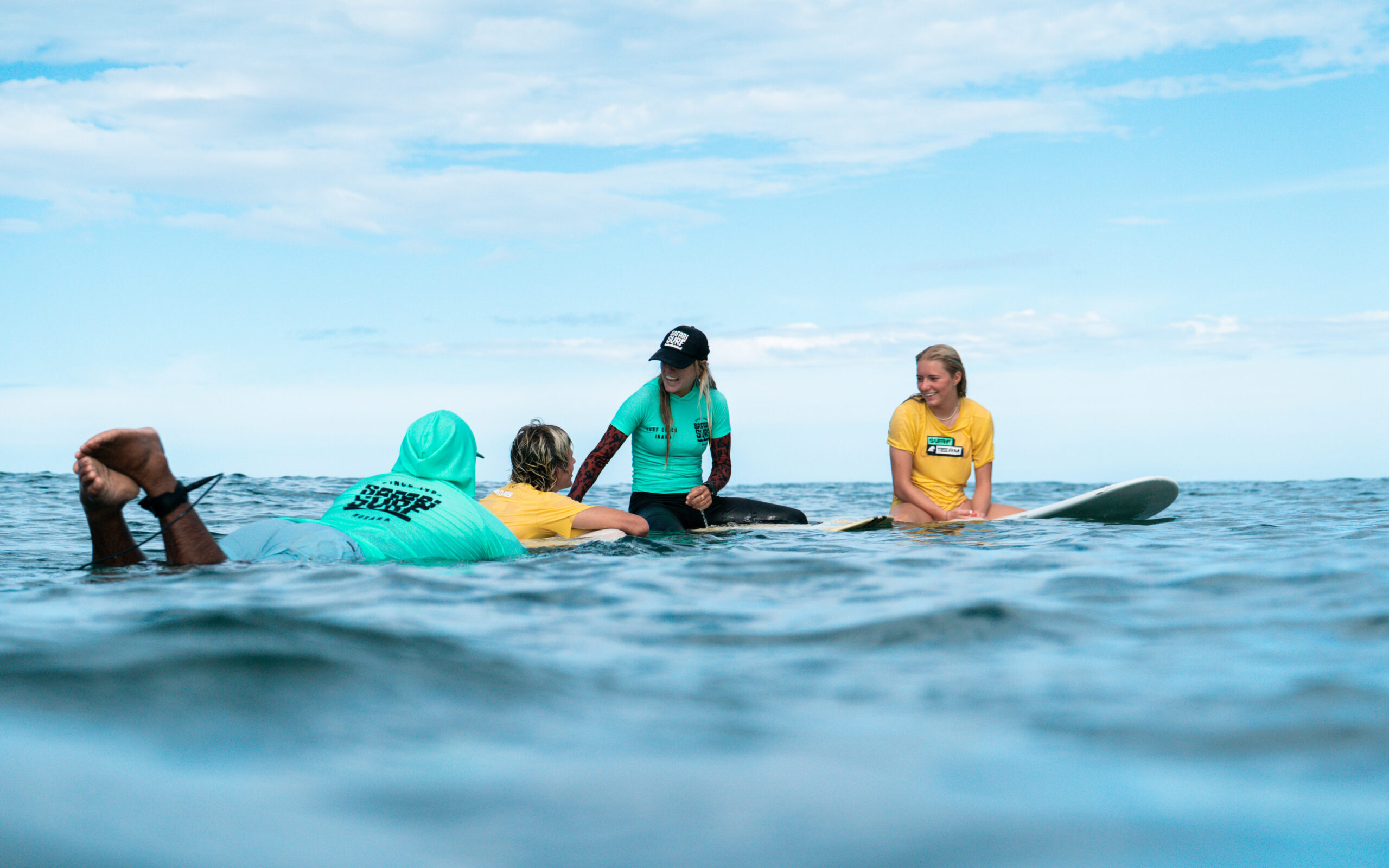
It’s the student who has never skied before clicking into their bindings at Purgatory Resort, heart pounding as they look down the mountain. It’s the surfer in Costa Rica paddling back out after being knocked under by a wave, realizing, I can do hard things.
Over days and weeks, fear turns into familiarity. Hesitation turns into confidence. The body becomes something to trust rather than avoid.
By the end of term, students aren’t just stronger—they’re steadier. They’ve learned that progress comes from persistence, not avoidance. They’ve proved to themselves that they are capable of far more than they could have ever imagined. And that lesson stays with them.
Academic Mastery
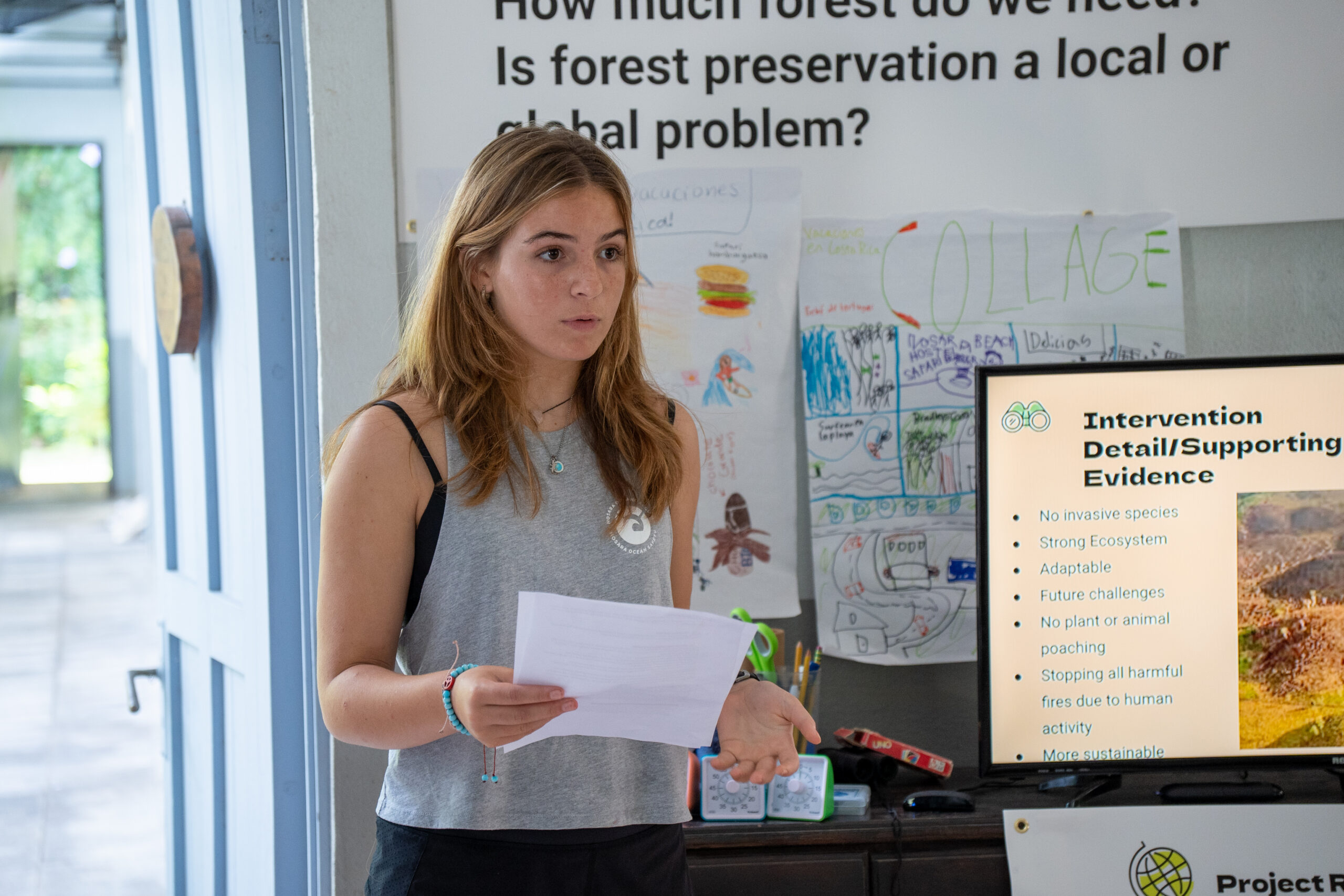
At Discover Term, academics are not confined to desks and exams. Students trade standard schooling for accelerated, place-based learning, where the world itself becomes the classroom. Between study halls and traditional learning time, our days are packed with hands-on community service, customized experiential learning projects, and curated local experiences to cultivate a community of lifelong learners, not just students striving for an A+.
Whether students are exploring the biodiversity and ecology of coastal ecosystems in Costa Rica to studying the science of avalanches in the mountains of Colorado, one thing is always true: learning comes alive at our programs.
No phones. No constant distraction. No pressure to perform for an algorithm or a grade. Instead, students practice focus, curiosity, and ownership of their learning. They discover that they are capable of deep thought, and that learning can feel meaningful, when it’s connected to real life.
Self-Mastery
This is where the most profound changes happen. Self-mastery looks like waking up on time because your group is counting on you. It looks like bravely trying new things, even when they scare you. It looks like sitting with discomfort instead of escaping it.
At Discover Term, we witness this self-mastery in action every day. Students who struggled to keep up on day one are reminding others of what’s next and leading the charge by week two. Students who were quiet and shy are now asking meaningful, intentional questions at every meal. Practicing self-mastery isn’t an individual pursuit. It’s the foundation of a thriving community.
Free from social media and the noise of everyday life, students are given space to reflect—through journaling, mindfulness, and guided conversation. They begin to notice their patterns. Their reactions. Their strengths. They learn how they relate to others. How they handle challenge. How it feels to follow through.
Why It Matters
Whether it be physical, academic, or self-mastery, these pillars of mastery don’t just check a box. They empower young people to step outside their comfort zone. To rise to the occasion together, and use challenges as lessons learned for the future. Mastery doesn’t come easy, and it doesn’t always appear in a huge breakthrough moment. But building the habits of persistence, courage, and intentionality are the most priceless gift we can give young people. Because the belief that they can and will do hard things expands far beyond the waves and the slopes. It shows up in every area of their lives, especially when it matters most.