Every student’s educational journey begins with a map handed to them early on.
It’s neat and predictable: schedules marked in ink, milestones measured by grades, progress tracked in transcripts and test scores. For most teens, this path works. But deep down, there’s often a longing for something more. For learning that reaches beyond the classroom, and experiences that can’t be summed up on a report card.
For parents, noticing that moment can feel like standing at a crossroads.
You can see a different route ahead—one that promises growth, confidence, and real‑world learning—but it doesn’t look familiar. And the question isn’t whether your child is capable of the journey. It’s whether stepping off the traditional path will cost them something they can’t get back.
We hear it often: “I’d love for my child to experience Discover Term, but there’s no way it would work with their school.”
While this concern is understandable, we’ve found that the opposite is true. Not only do our programs work alongside traditional schools, they enhance student’s experience in school in very real ways.
We’ve been taught to think of education as something contained—by walls, schedules, and report cards. So when learning stretches beyond the classroom and into mountains, oceans, and unfamiliar challenges, it can feel like stepping into unmapped terrain.
At Discover Term, we know that choosing a transformative adventure for your teen isn’t about turning your back on traditional education. It’s about expanding it—building a bridge between the values and structure of traditional school and the kind of lived learning that shapes character, confidence, and purpose.
Not a Detour—Part of the Journey
Many parents worry that schools won’t recognize the value of a route that looks different on paper. But again and again, families and educators discover something powerful: students who return with confidence, clarity, and motivation engage more deeply with whatever path comes next.
At Discover Term, students don’t step away from learning. They step into it.
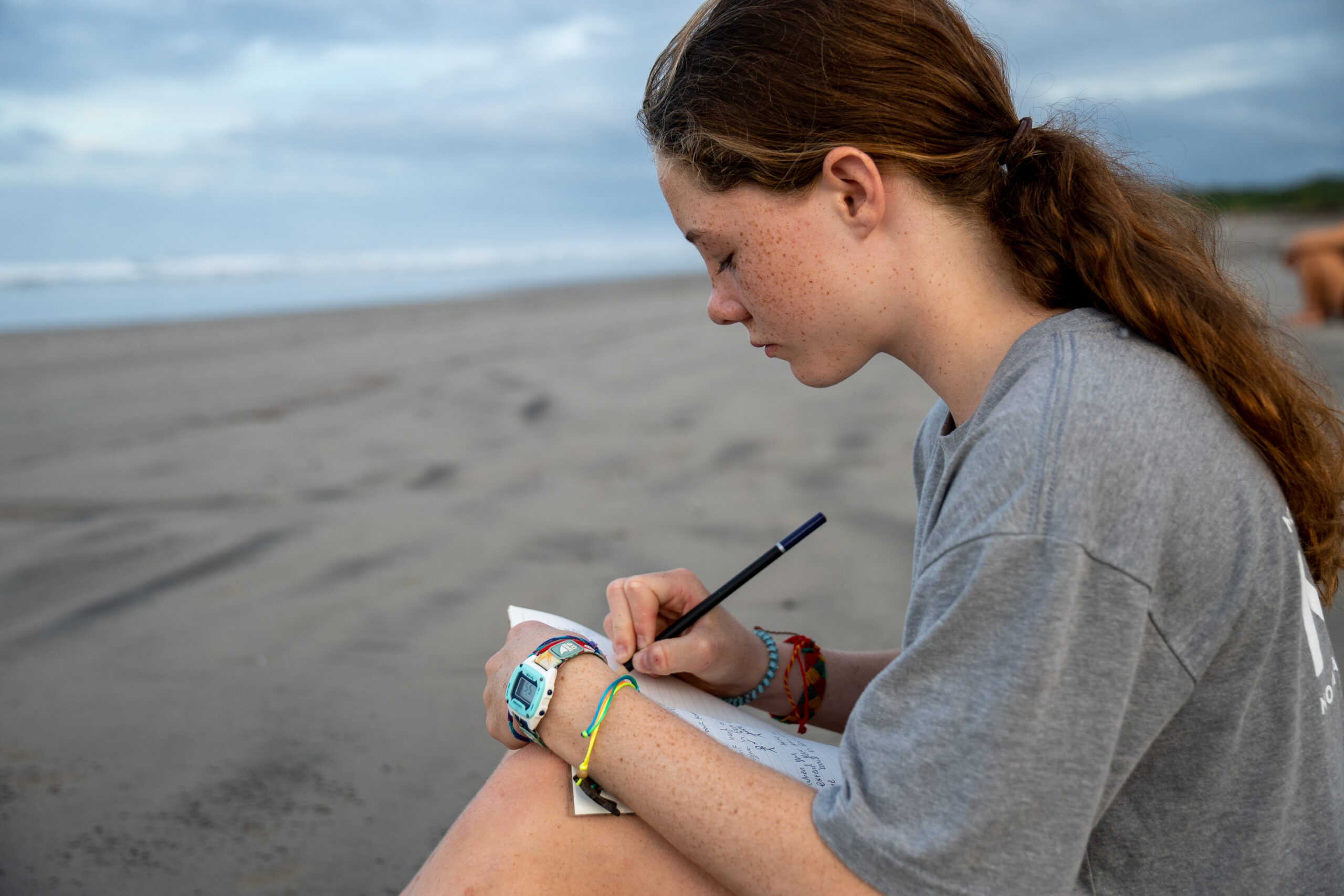
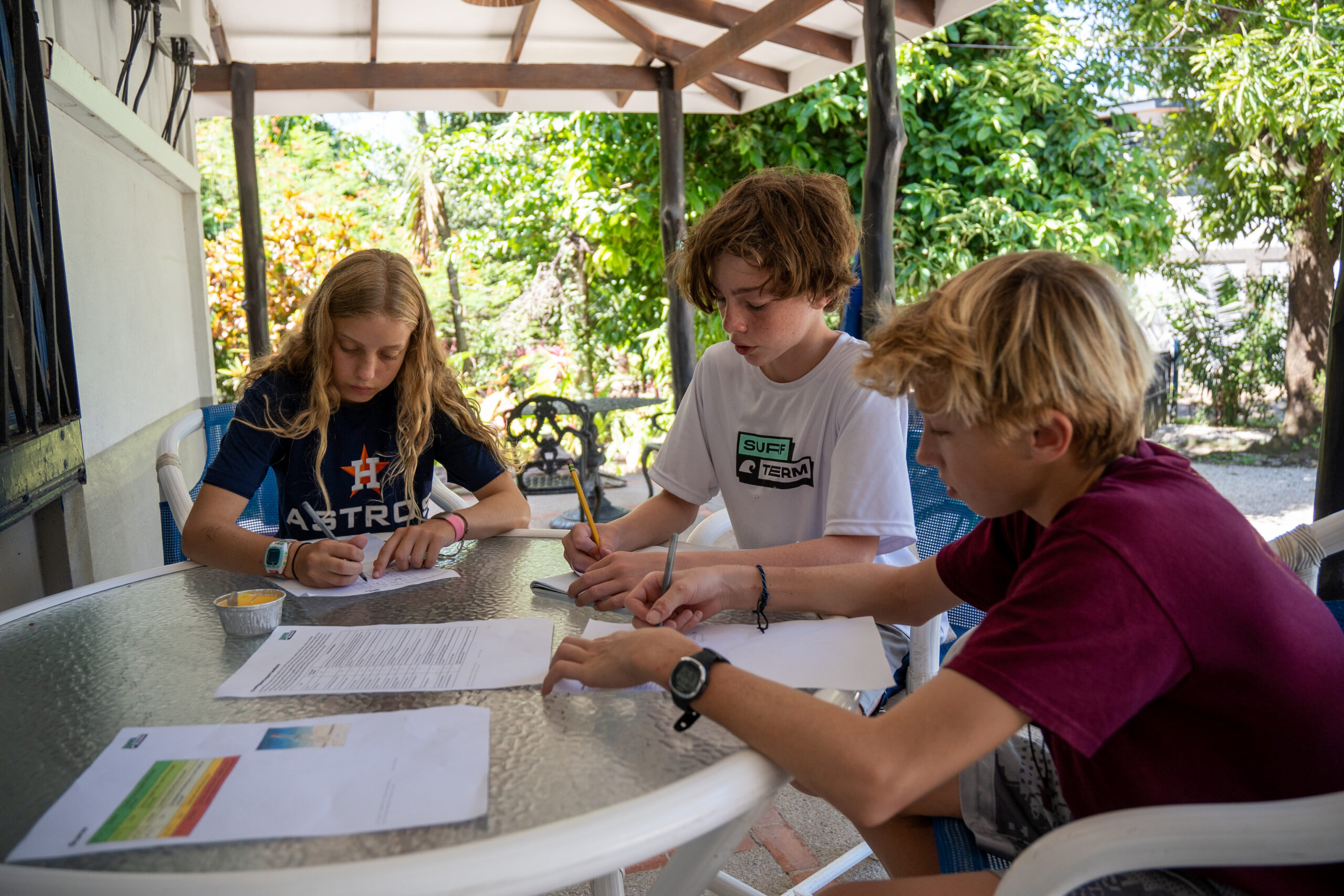
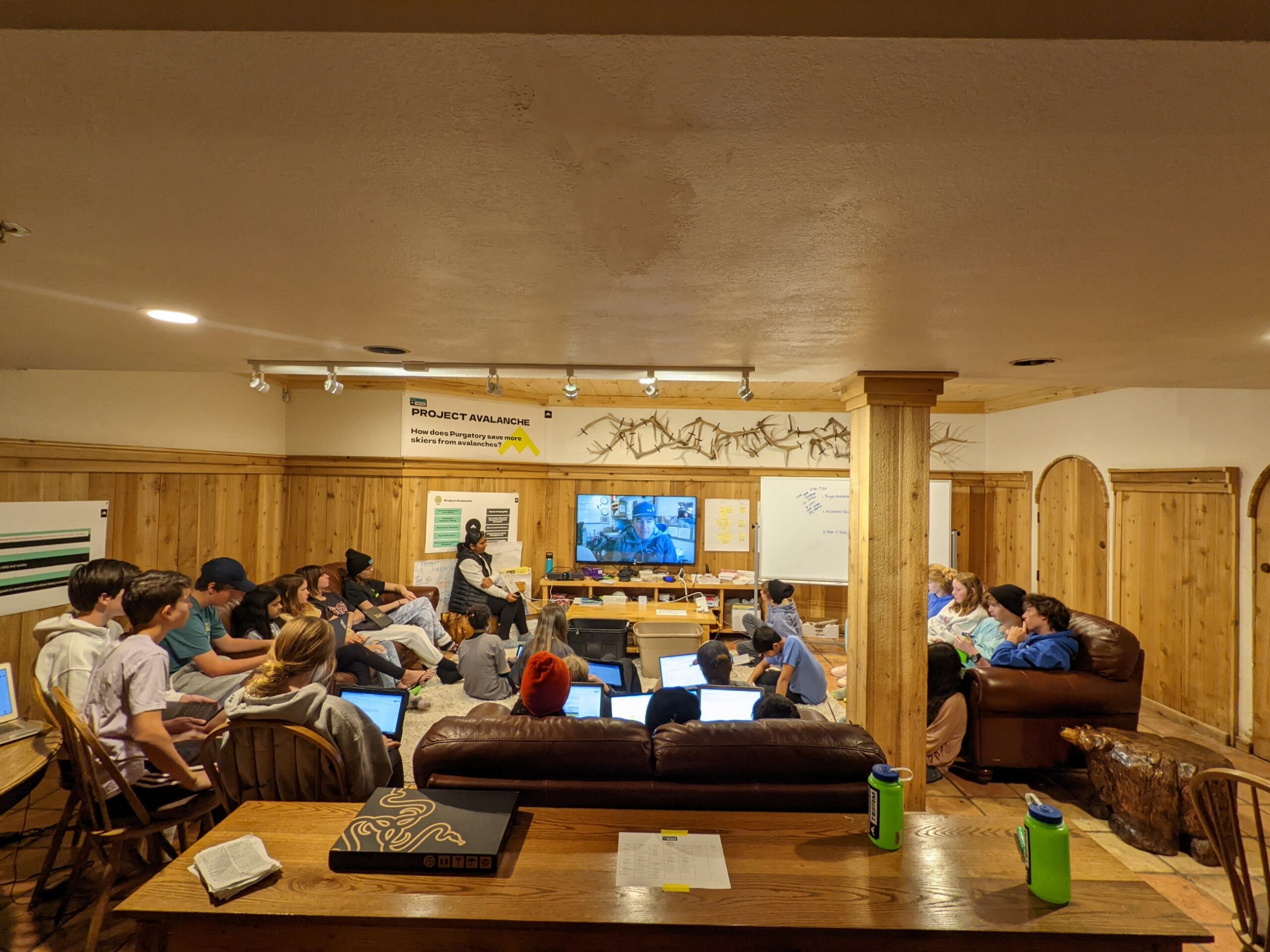
They trade standard schooling for accelerated, place‑based academics, and smartphones for expert‑led outdoor athletics. They engage deeply—with literature, science, math, and writing—while also learning what it feels like to lead when they’re tired, to persevere when things feel hard, and to belong without hiding who they are.
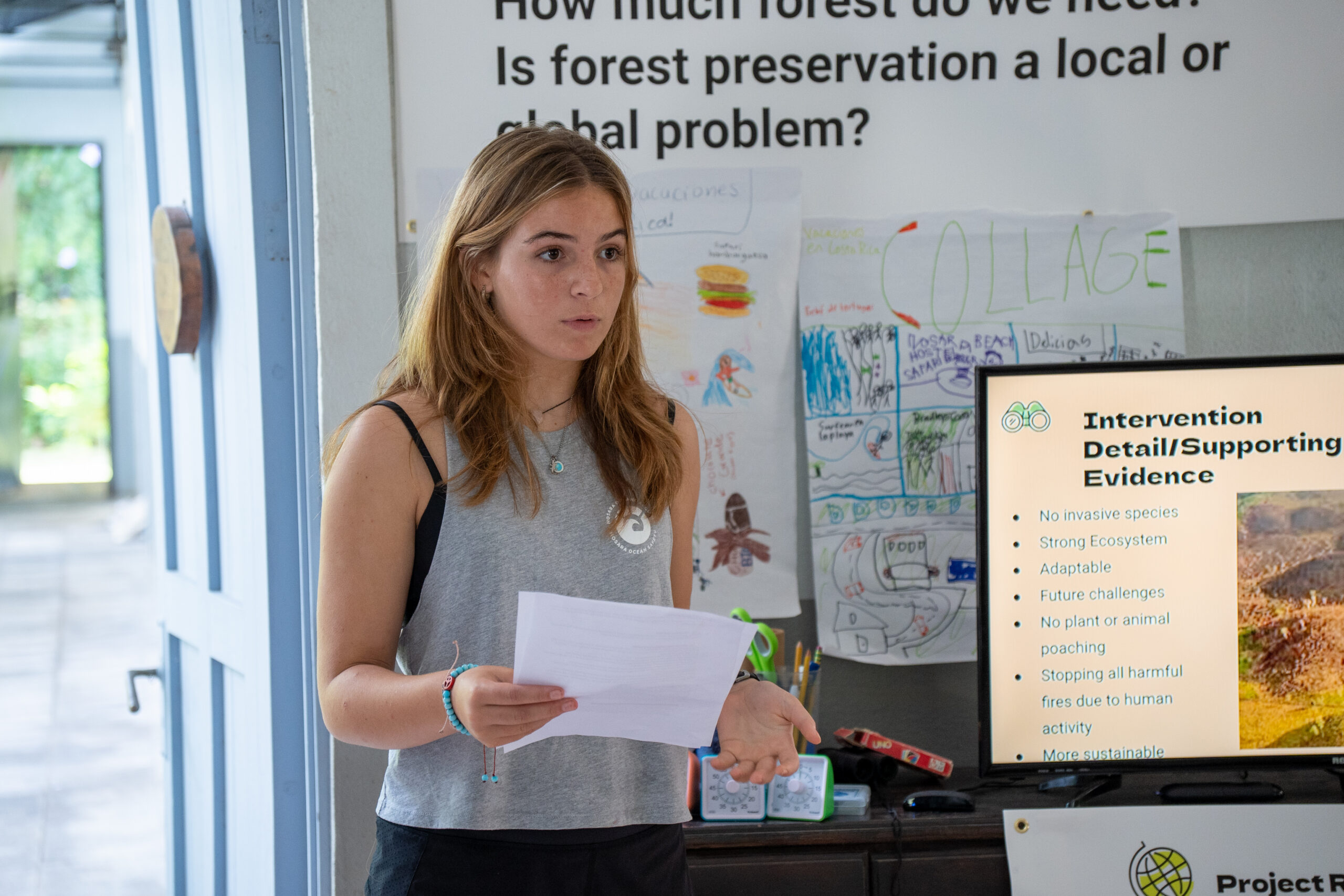
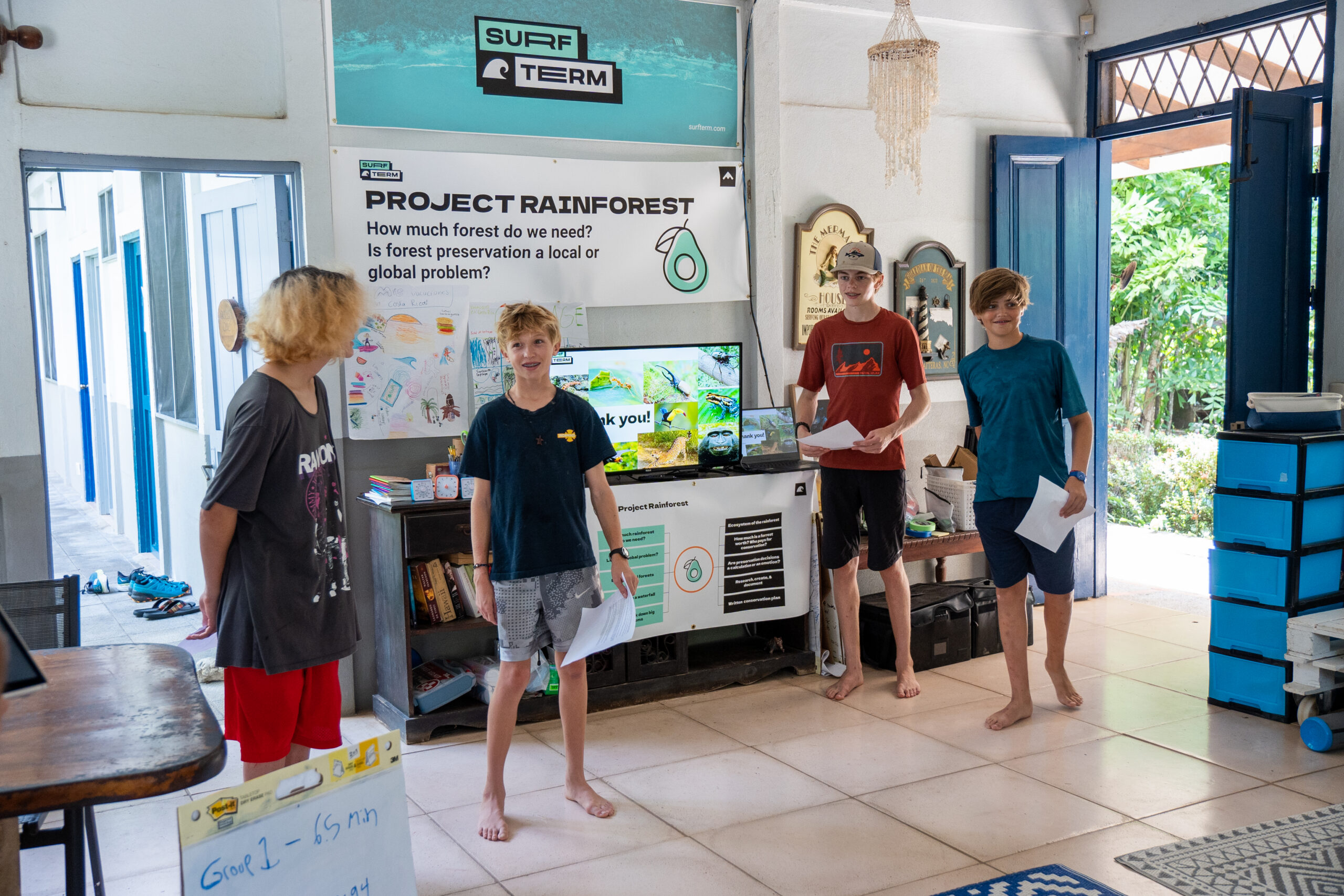
This is education that’s lived, not taught. Those are the lessons that can’t be contained by the four walls of a classroom. They are skills that will make them an invaluable member of any team for the rest of their lives. Our students don’t just learn about science in a textbook, they experience it in real life by studying coastal ecosystems and conducting research in the real world. They practice skills like public speaking by compiling their work and sharing it with their peers, prepared to answer tough questions and defend their ideas. They learn communication and collaboration skills by sharing a space and caring for it for the duration of their term. These are skills that can’t be learned from a lecture or a quiz, they must be discovered through real-world experience.
Rather than “skipping out on school”, they’re tapping into their true potential, no longer confined by assignments or grades. Slowly, they discover that their limit is far beyond where they believed it to be. By setting challenging goals, working daily towards new habits, and building a real community, they aren’t shrinking their educational experience, they’re redefining it.
Why Schools Truly Can—and Do—Support This Path
While every school system is different, what often surprises parents is how open educators can be when they see the intent behind the experience.
Our students come from a wide range of educational backgrounds. From homeschool to private school or more traditional public schools, we’ve found that not only are most schools accepting of programs like Discover Term, they understand the value of experiential learning and are way more flexible than most parents assume.
Discover Term programs are not “time off.” They are intentionally designed to ignite passion for life, learning, and adventure, serving students during pivotal developmental stages when identity, confidence, and belonging matter most.
When framed this way, many schools begin to understand: This isn’t a break from education. It’s an expansion of it. It gives students real-world context for what they’ll return to the classroom ready to explore more deeply. Students come back not just caught up, but truly and deeply inspired.
Trusting What You Already Know as a Parent
Again and again, we hear the concerns about what stepping away from school will cost young people. Worries about falling off track, missing out, or leaving valuable experiences behind. Yet, again and again, families tell us the same thing: the risk they feared pales in comparison to the transformation they witness.
A teen who has learned that they can do hard things doesn’t fall behind. They move forward differently, more intentionally, and with a sense of self that no transcript alone could ever capture. They are so engaged and present in their new experiences that they hardly have time to think about what they might be missing at home.
If you’re wondering whether this path is “worth it,” know this: Discover Term isn’t about leaving school behind. It’s about helping your child discover who they are becoming, and returning stronger for it. It’s about teaching young people that their worth isn’t defined by a grade, and it can’t be contained in a classroom. It’s about equipping them with the tools they need to change the world, not just succeed in school.
Sometimes, the most important step forward is having the courage to take a different road. Because when learning expands beyond the classroom, it doesn’t just change an education—it changes the trajectory of a life.