There’s a version of education that people are most familiar with: a desk, a textbook, a worksheet, a test. Learn the material. Repeat it back. Move on.
It works for some things. And for a lot of things — especially the ones that matter most — that isn’t always enough.
Place-based education is built on a different premise: that learning is more powerful when it’s anchored in a real place, a real challenge, and a real reason to care. That the most durable knowledge isn’t information that was memorized — it’s understanding that was earned by experimenting, exploring, and trial and error.
Here’s what that actually means, and why it changes things for young people.
What’s Missing
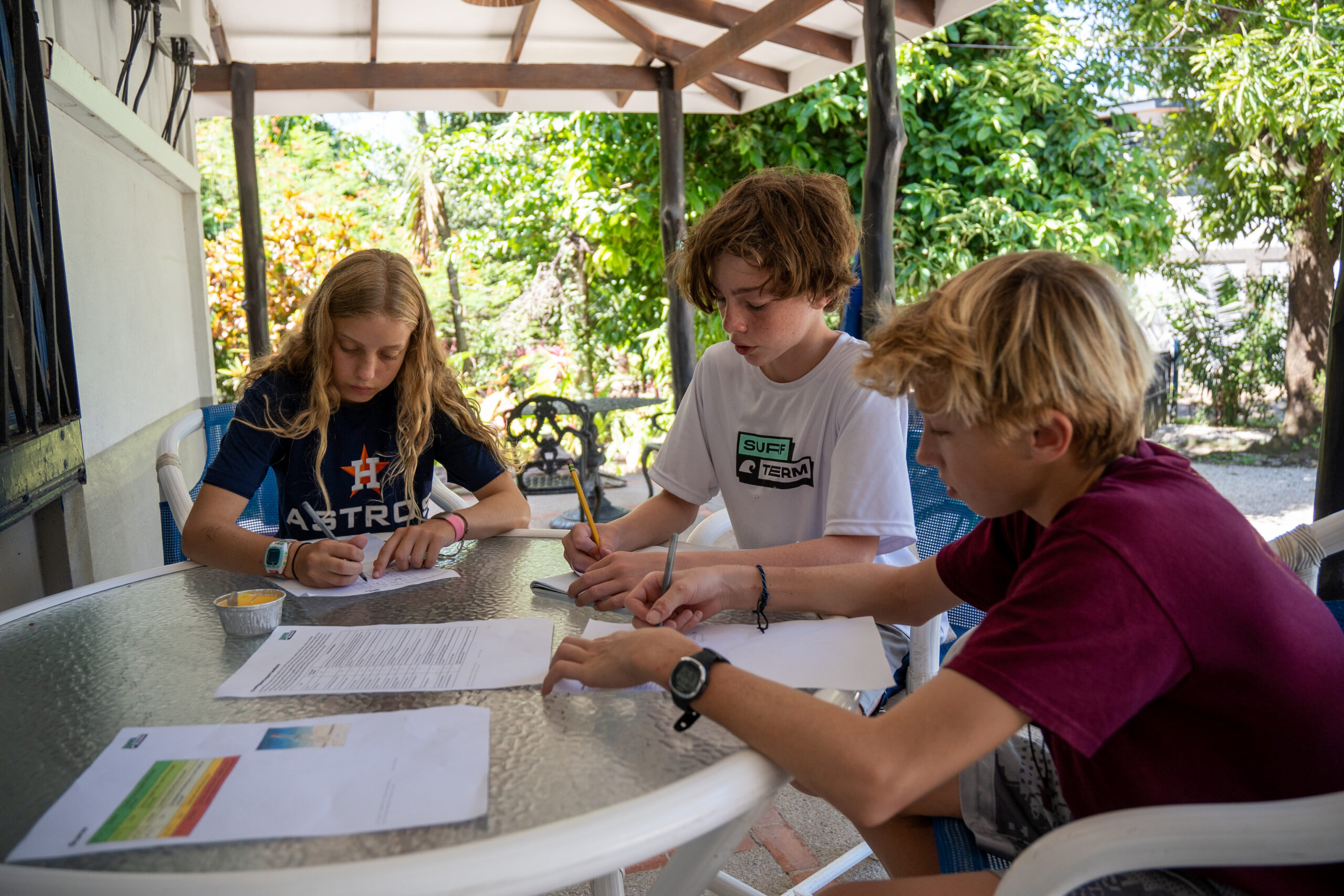
Traditional education is designed to teach in a way that is somewhat disconnected from the real world. Students learn about ecosystems through diagrams. They study climate through charts. They read about history in books. The material exists, but the student is always slightly outside of it — an observer, not a participant.
This creates a kind of knowledge that’s fragile under pressure. Students who can ace a test on Thursday sometimes can’t explain the same concept on Saturday, because what they learned was how to perform understanding, not how to actually understand.
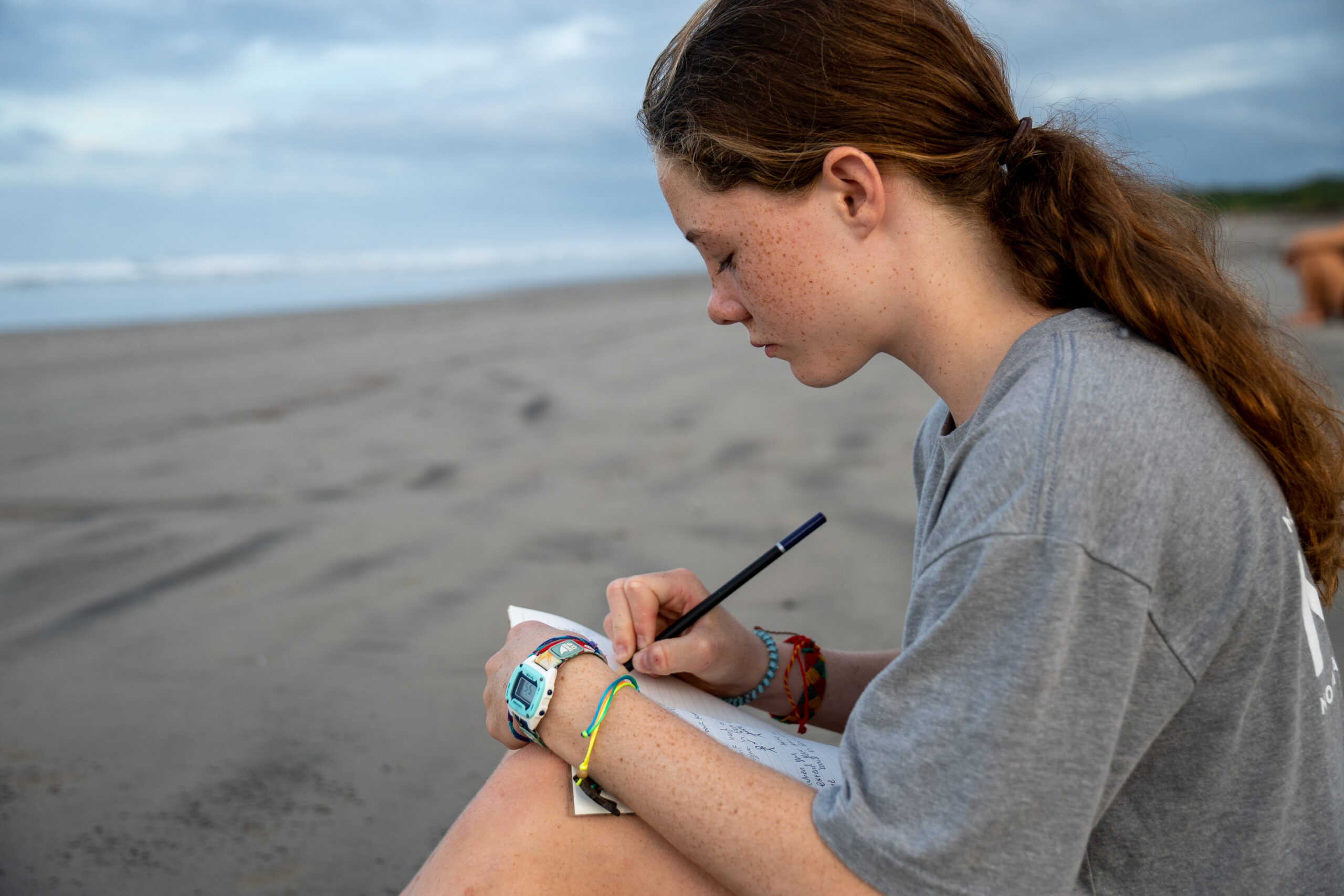
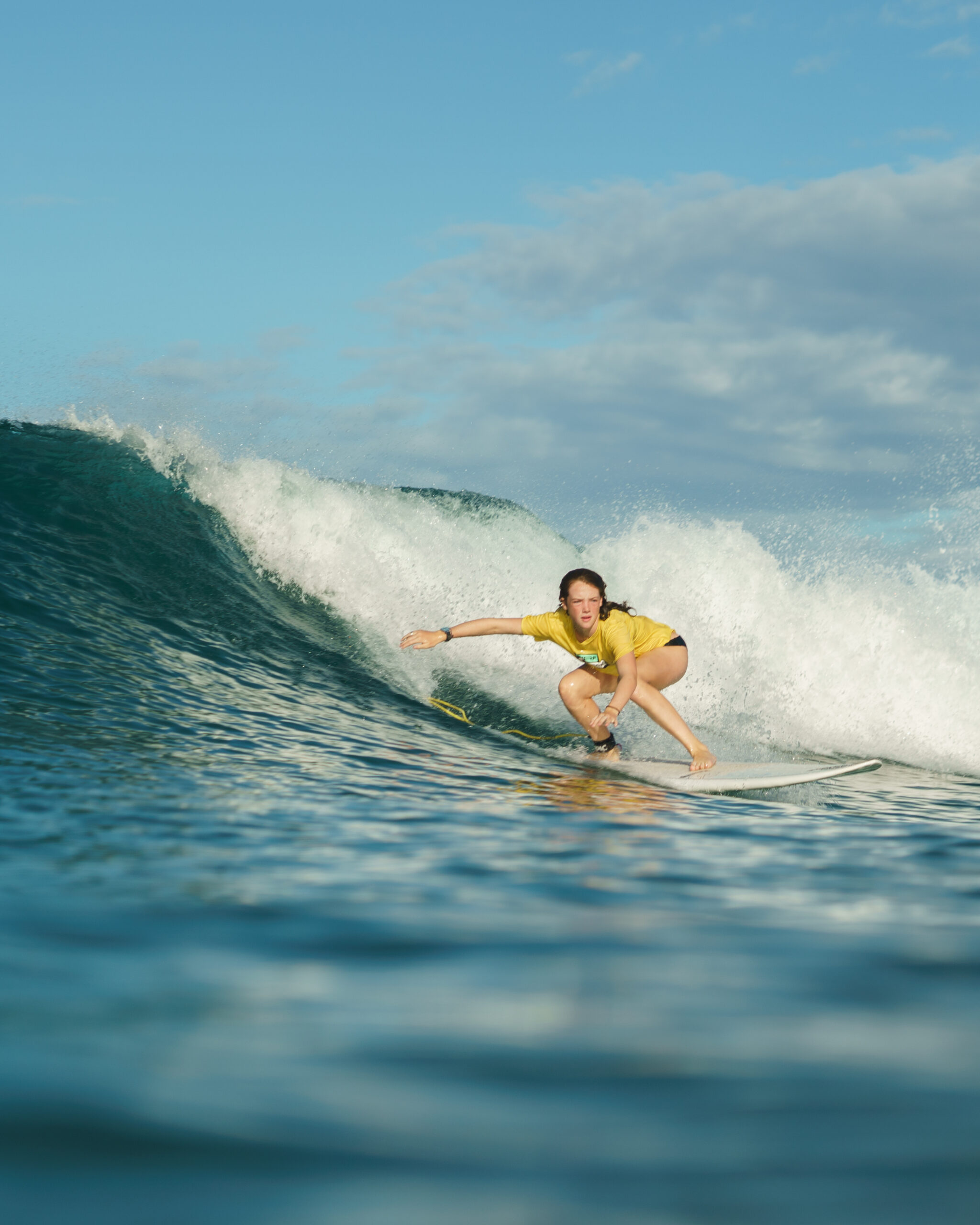
Place-based education bridges that gap. When you’re paddling into the surf lineup and your instructor asks you to read the current, you don’t have the option of looking it up. You have to think. You have to apply. The environment makes the lesson real. The surroundings bring the learning to life in a way no textbook or lesson plan ever could.
What the Research Says
The evidence for experiential and place-based learning has been building for decades. Studies have found that active, experience-based learning leads to improved knowledge retention and greater ability to transfer skills to new contexts (Association for Experiential Education, 2023).
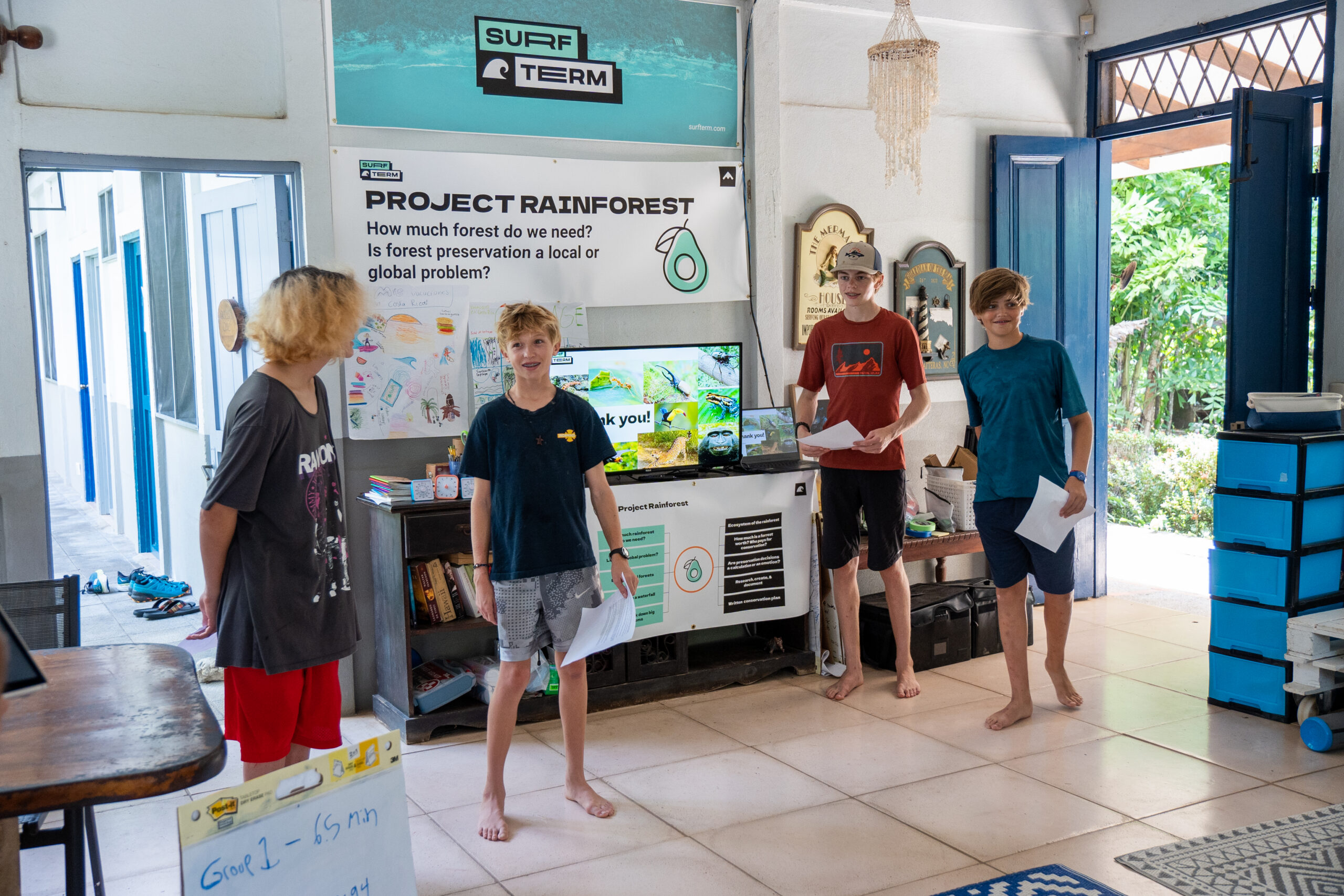
What we’ve noticed is harder to measure: students who participate in these types of experiential programs tend to develop a completely new relationship with their own learning. They become more curious. More willing to try things they might fail at. More likely to see a problem as something to solve rather than a subject to avoid.
That shift in relationship from passive receiver to active learner is often the most lasting outcome of a place-based education. And it’s nearly impossible to manufacture from behind a desk.
Empowering young people to take charge of their learning doesn’t only bring the lesson into it’s real context, it cultivates a joy for learning that is destined to change the world.
How Discover Term Does It
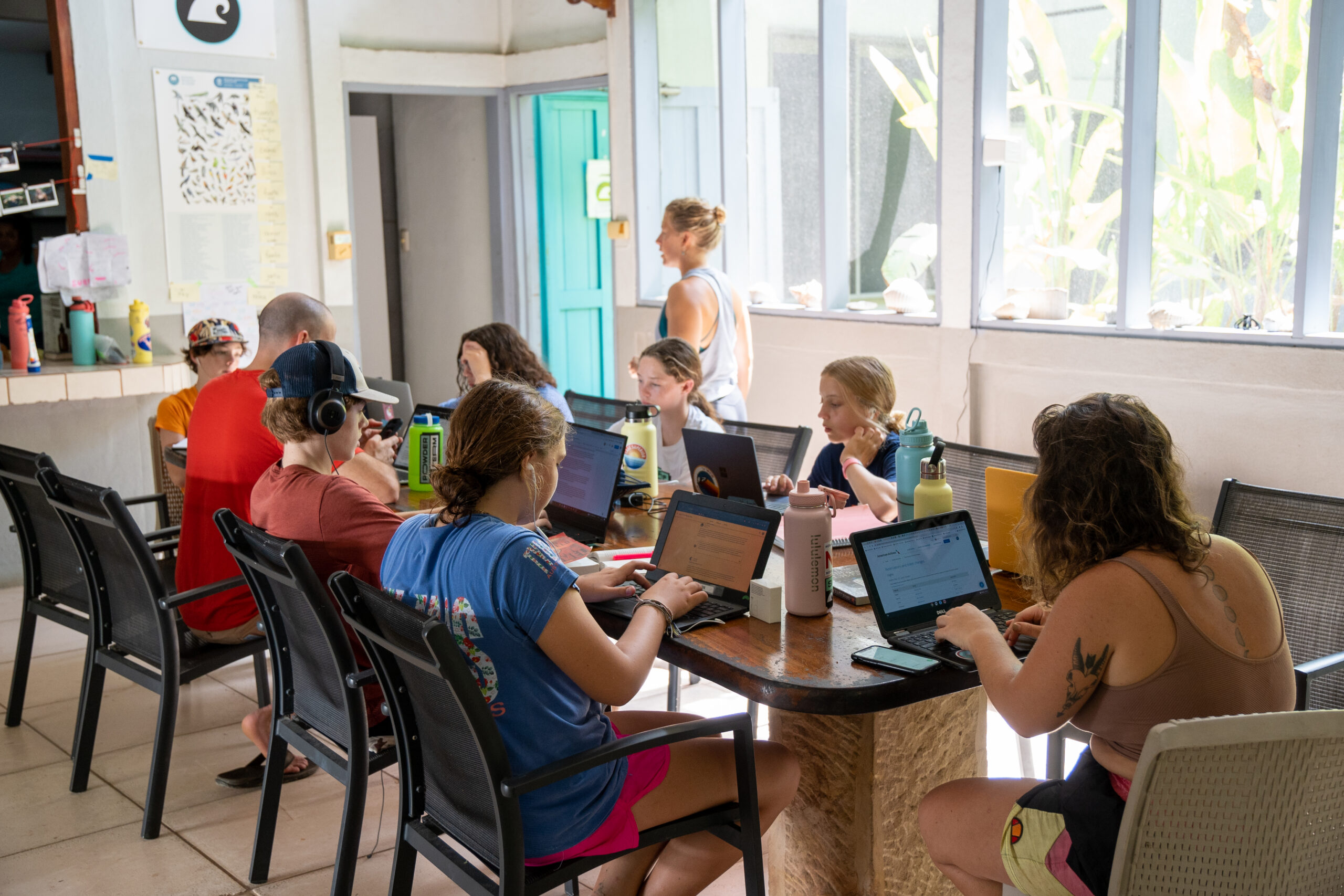
Our programs aren’t designed to replace traditional academics. They’re designed to deepen them. To give students an environment in which their learning becomes meaningful because the stakes are real and the context is alive.
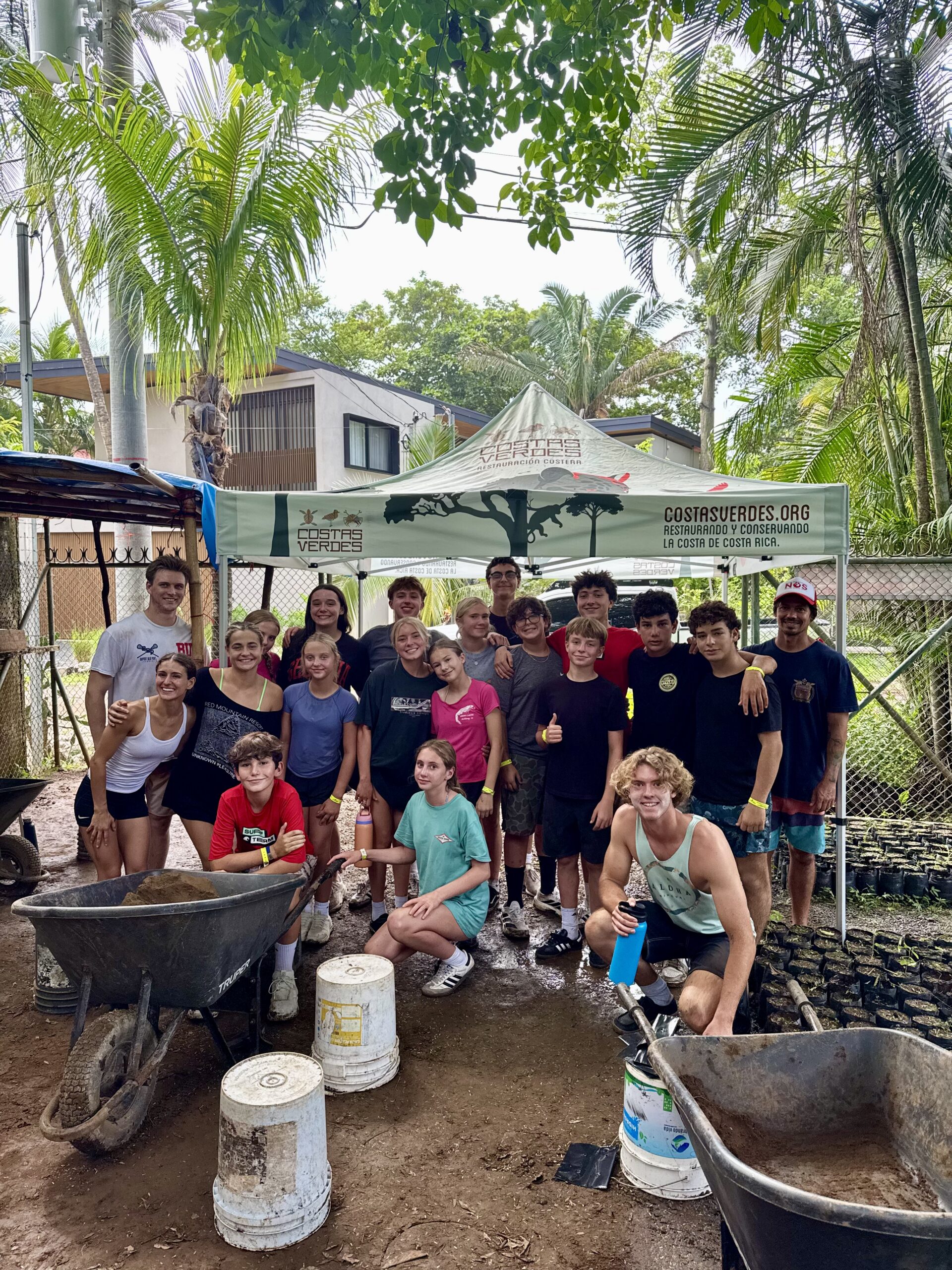
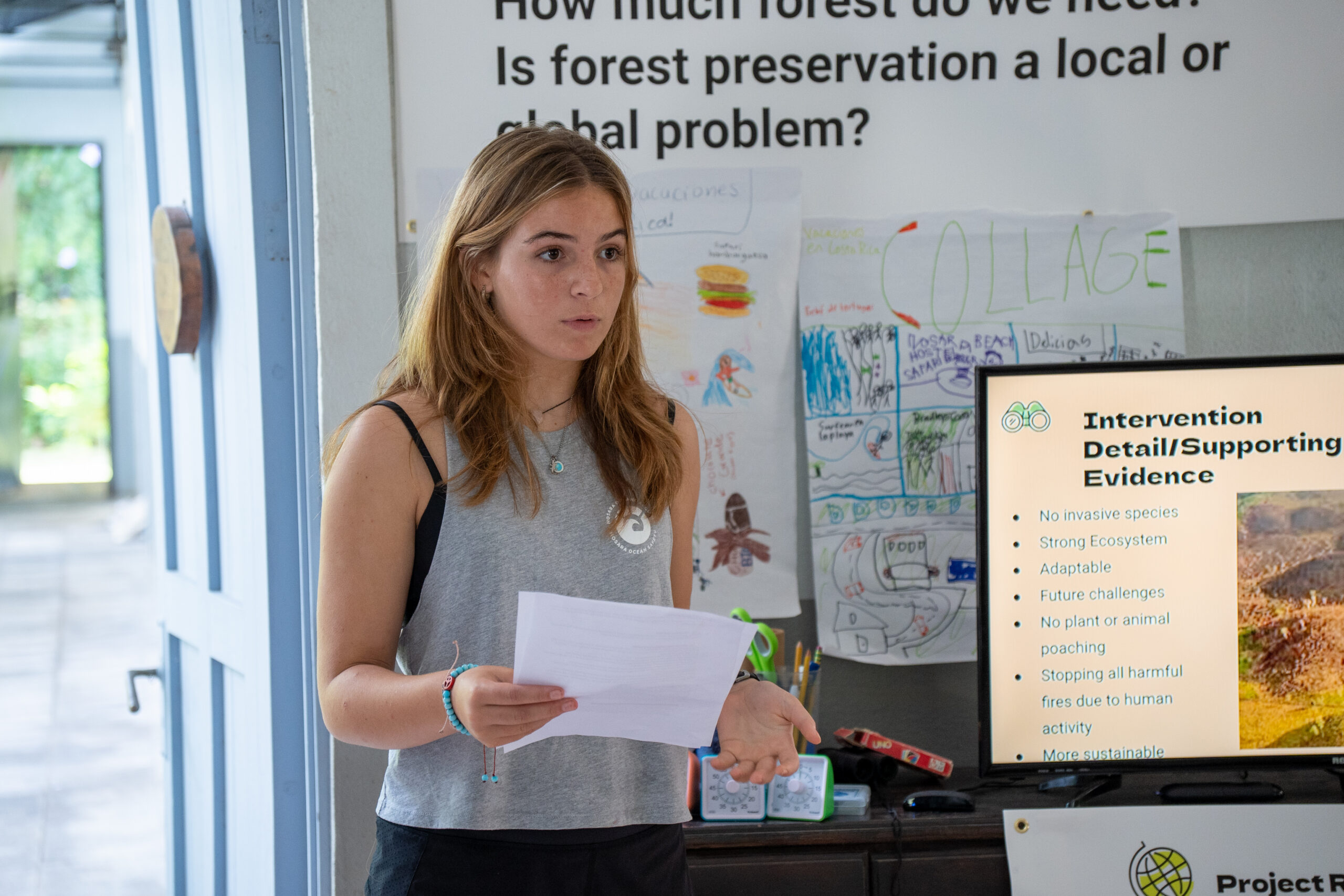
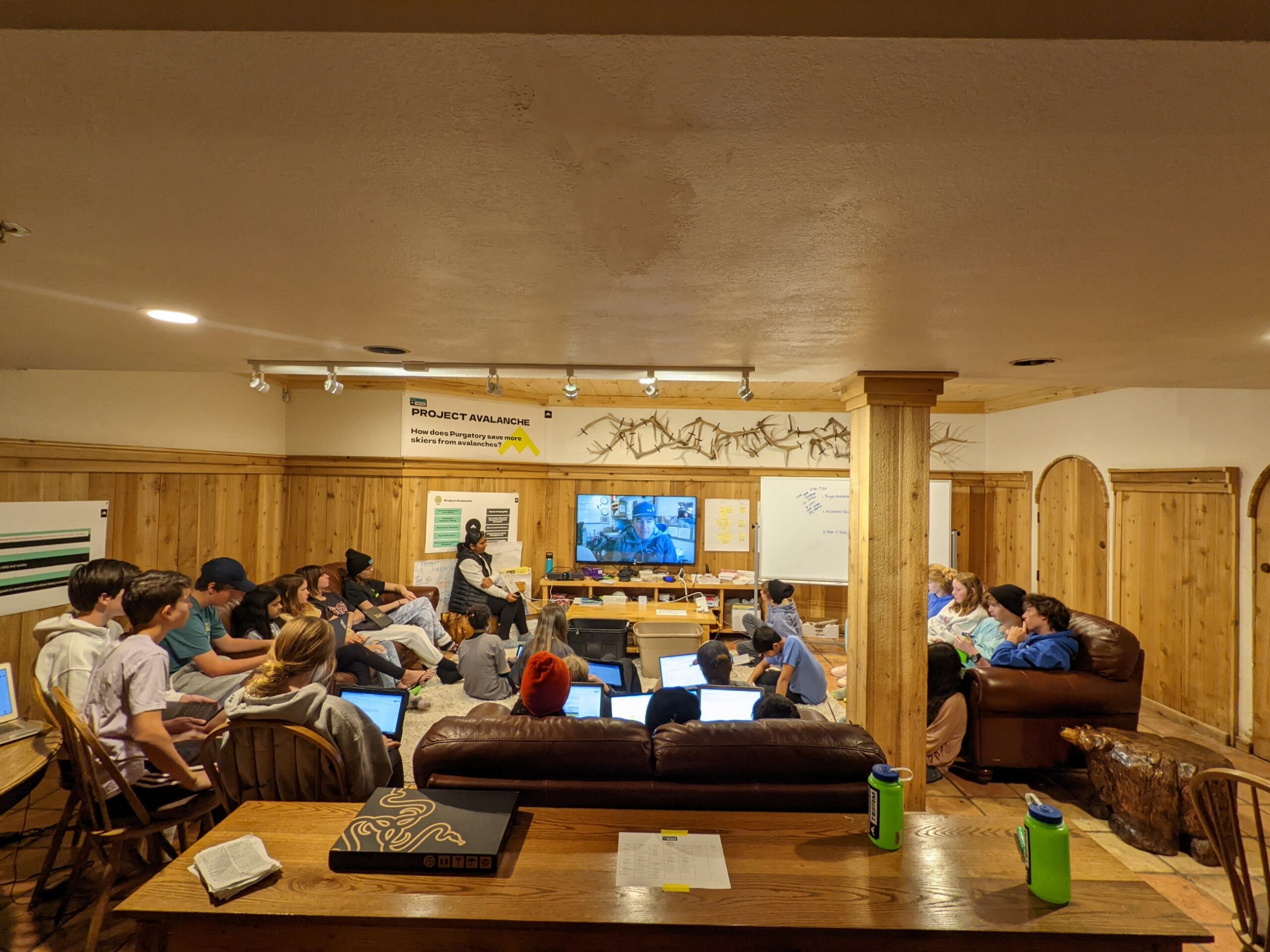
Through our curriculum and immersive projects, students take a deep dive into the real issues, challenges, and beauties of the environment they are living in. Project Reef challenges students to explore the ideas of coastal conservation, marine ecosystems, and coral health. Project Avalanche gives students a glimpse into avalanche science, snowpack analysis, and mountain safety through hands-on fieldwork and team research.
What have we noticed through this immersive approach to education? Adventure creates the stakes. Community creates accountability. Exploration creates curiosity. Service creates purpose. When those four things are present, learning doesn’t feel like an obligation. It feels like what it was always meant to be: a way of becoming more capable in the world.
What Students Take Home
When students finish a Discover Term program, they leave with academic progress, measurable skill growth, and progress in math and literacy that teachers and parents can see. But they also leave with something harder to quantify.
They leave knowing that they can figure things out. That the challenges they face are part of the journey. That the wonders of the world aren’t meant to just be read about in a textbook, but explored and experienced.
That’s the education that sticks. Not the knowledge that was tested, but the understanding that was lived. Because a true learner doesn’t just thrive in the classroom, but in any situation that life throws at them.