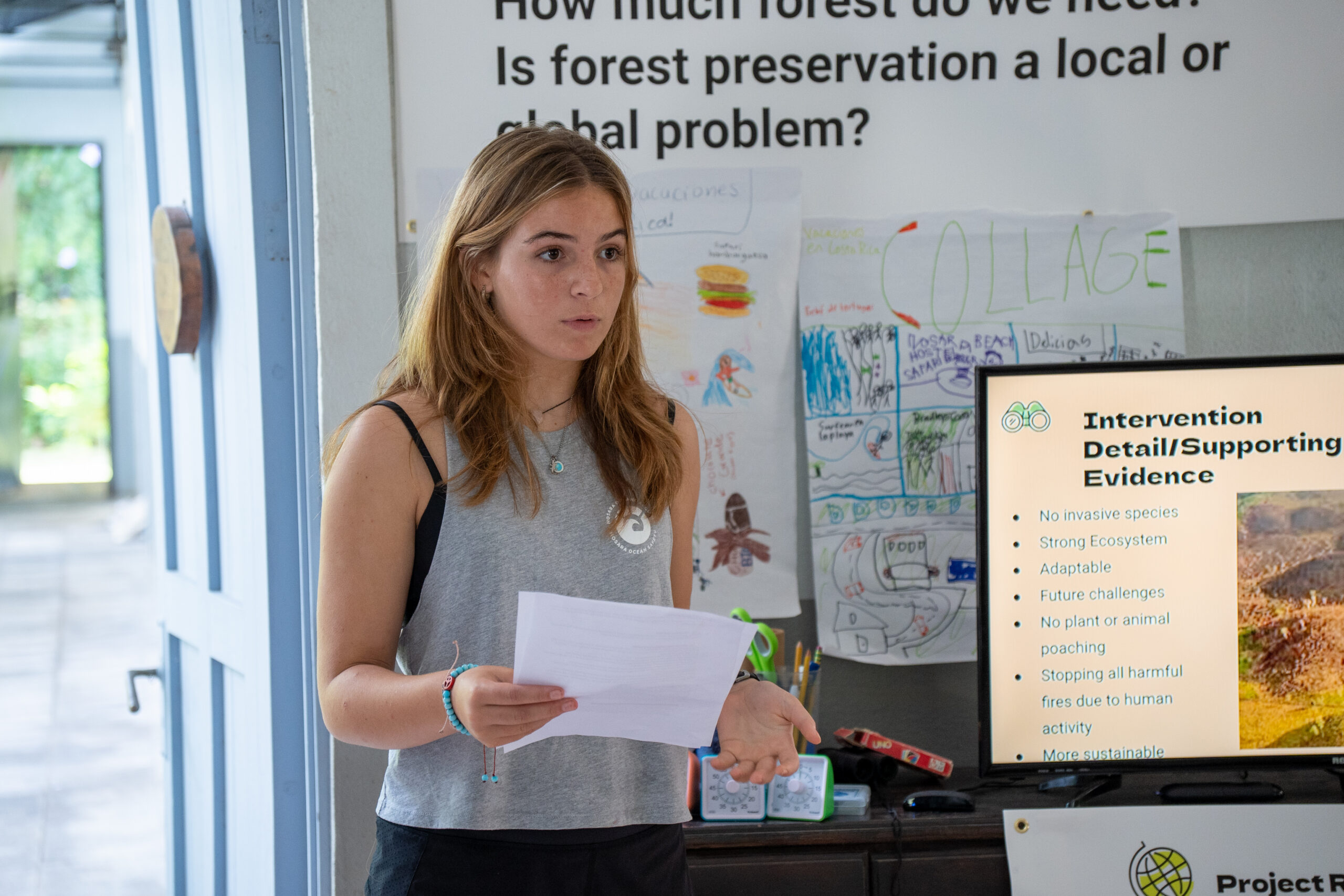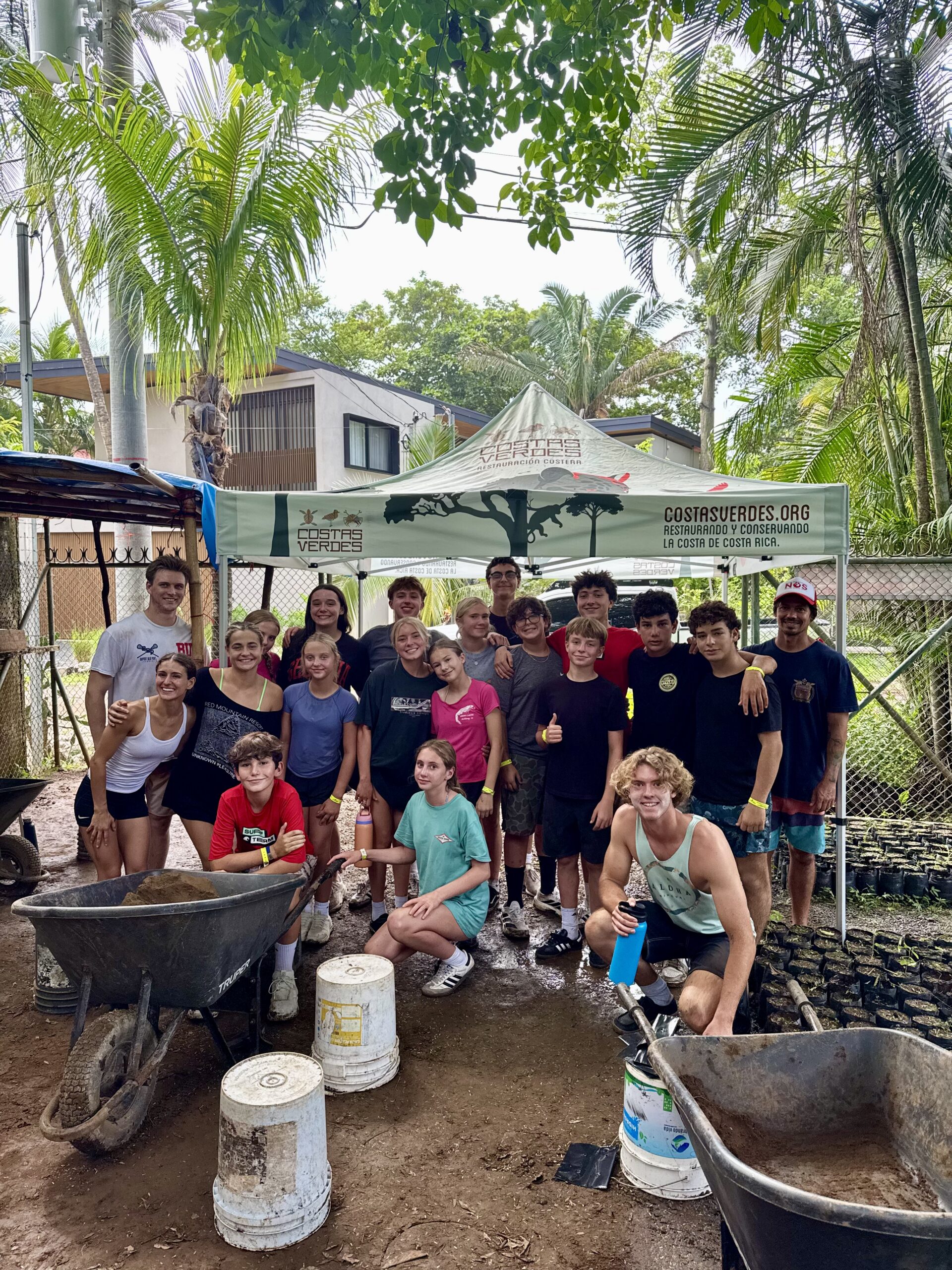
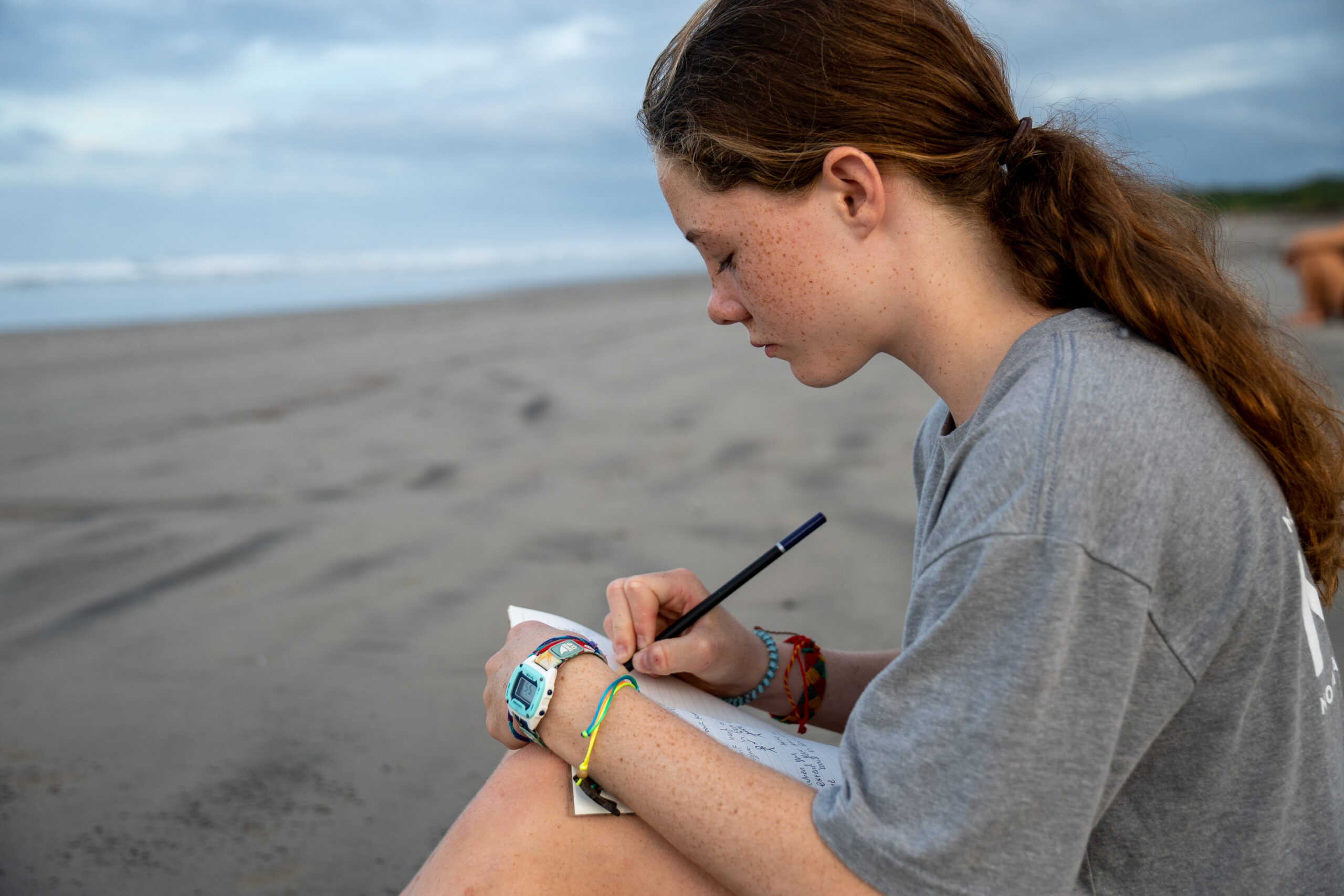
Every parent who reaches out to Discover Term has a different story, but there’s often a common thread that ties them all together: their teen is restless in a way that the usual options don’t seem to touch.
Not every teen needs an immersive program. But some are clearly ready for one. Here are four signs we see often in the families who end up at Discover Term.

1. They’re Bored in a Way That Feels Different
This isn’t the boredom of a slow Sunday afternoon. It’s a deeper flatness — a sense that nothing is quite engaging enough, that school feels like going through motions, that free time evaporates into their phone without leaving anything behind.
Teens who thrive in immersive programs are often the ones who have outgrown their current environment, even if they don’t even realize it. They’re not lazy. They’re under-challenged in ways that normal school structures weren’t designed to fix.
If your teen seems perpetually unstimulated despite having plenty of activities on paper, pay attention to that.

2. They’re Craving Independence — But Don’t Quite Know What to Do With It
There’s a version of this that looks like conflict at home: pushing back on rules, wanting more autonomy, testing limits in ways that feel difficult to navigate. And there’s a quieter version: a teen who wants to prove something to themselves but hasn’t had the chance.
Both are signs of the same underlying readiness. Immersive experiences give teens the opportunity to practice independence in a supportive environment, where they’re expected to make decisions, manage themselves, and be accountable to a community—not just their parents.
A sense of responsibility is one of the greatest gifts to give a young person. Real responsibility breeds real initiative and independence. Those things aren’t created in a classroom, they’re experienced in the real world.

3. Social Dynamics at School Feel Complicated or Exhausting
Middle and high school social worlds are a whirlwind. For some teens, the relentlessness of navigating the same peer group day after day, in the same hallways, with the same social hierarchies, becomes genuinely draining.
An immersive program resets the social context entirely. New peers. New environment. No phones. Many students tell us that the friendships they made at Discover Term are the most genuine they’ve ever had. When young people are given the chance to truly step away from the pressure of everyday life and into a new environment, the relationships and community that are built will last a lifetime.
If your teen has been struggling socially, or simply feels like they haven’t found their people yet, a change in context can be profoundly clarifying.
4. They’re Sensitive to Feedback but Quietly Ambitious
This is a combination that a lot of parents recognize: a teen who cares deeply about doing well but shuts down when they feel criticized, or who avoids challenges because the fear of failing feels bigger than the potential reward.
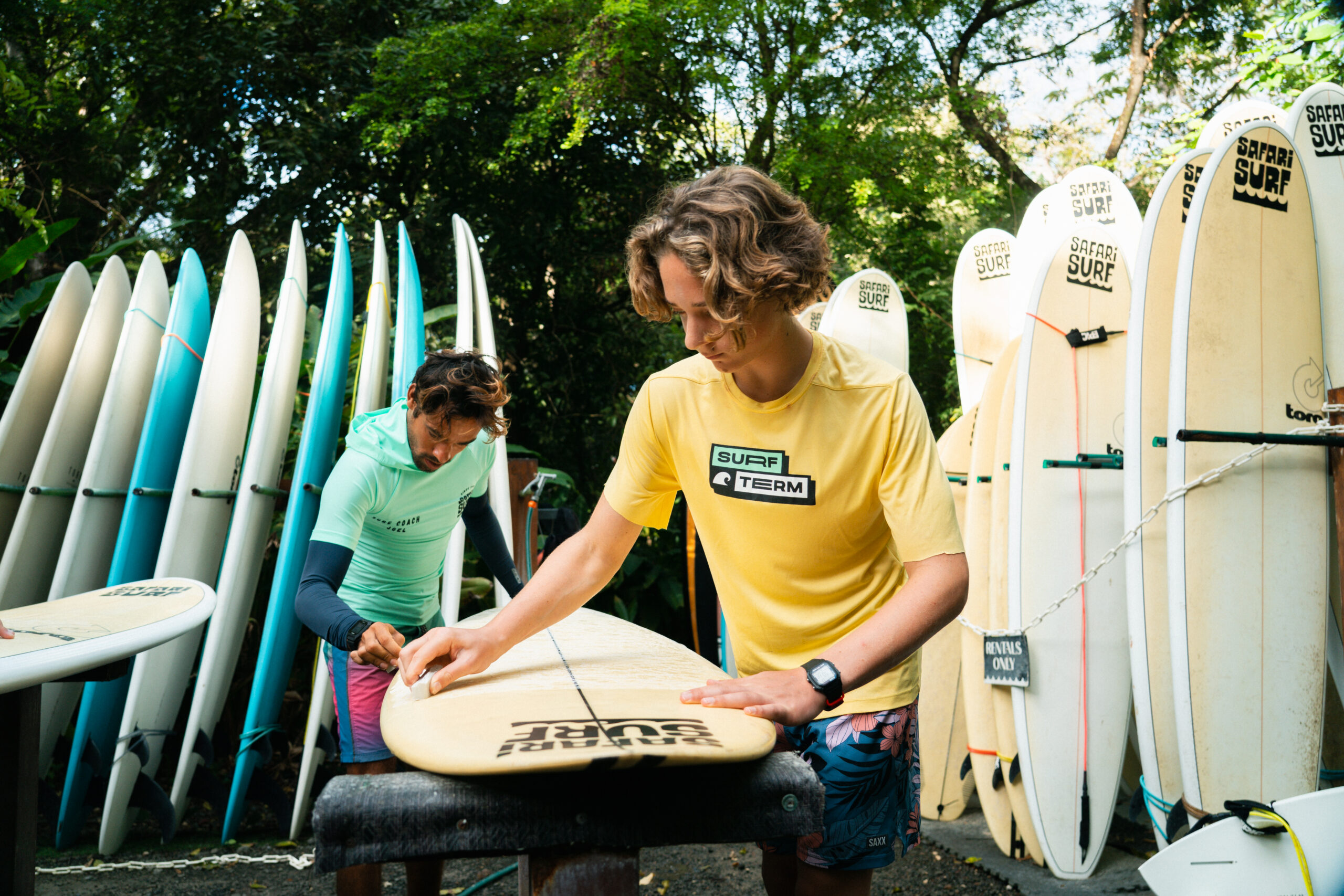
Physical challenges — learning to surf, summiting a mountain, trying something genuinely hard in front of peers — have a way of short-circuiting that pattern. The feedback is immediate and inarguable. The wave doesn’t hold a grudge. The mountain has no judgement. And the process of falling, adjusting, and getting back up in a supported environment builds a relationship with failure that the classroom rarely can.
Teens who are quietly ambitious but risk-averse often discover at Discover Term that they’re far more capable than they thought. They accomplish things they couldn’t have dreamed of even trying and more importantly, they build a mindset of resilience and grit that they’ll carry with them into every area of life.
Readiness for an immersive experience isn’t about being the boldest kid in the room, or the most athletic, or the most emotionally regulated. It’s about being ready for something real. Something that asks more of you than the usual day-to-day.
The teens who come to Discover Term don’t all arrive the same way. Some are restless. Some are quietly struggling. Some just have a parent who saw something in them that the school day wasn’t reaching. But all of them leave with a version of themselves they didn’t know was there — more capable, more grounded, and more certain of what they’re made of.